
The Cost of Care: Navigating the 2026 Statutory Sick Pay Reforms
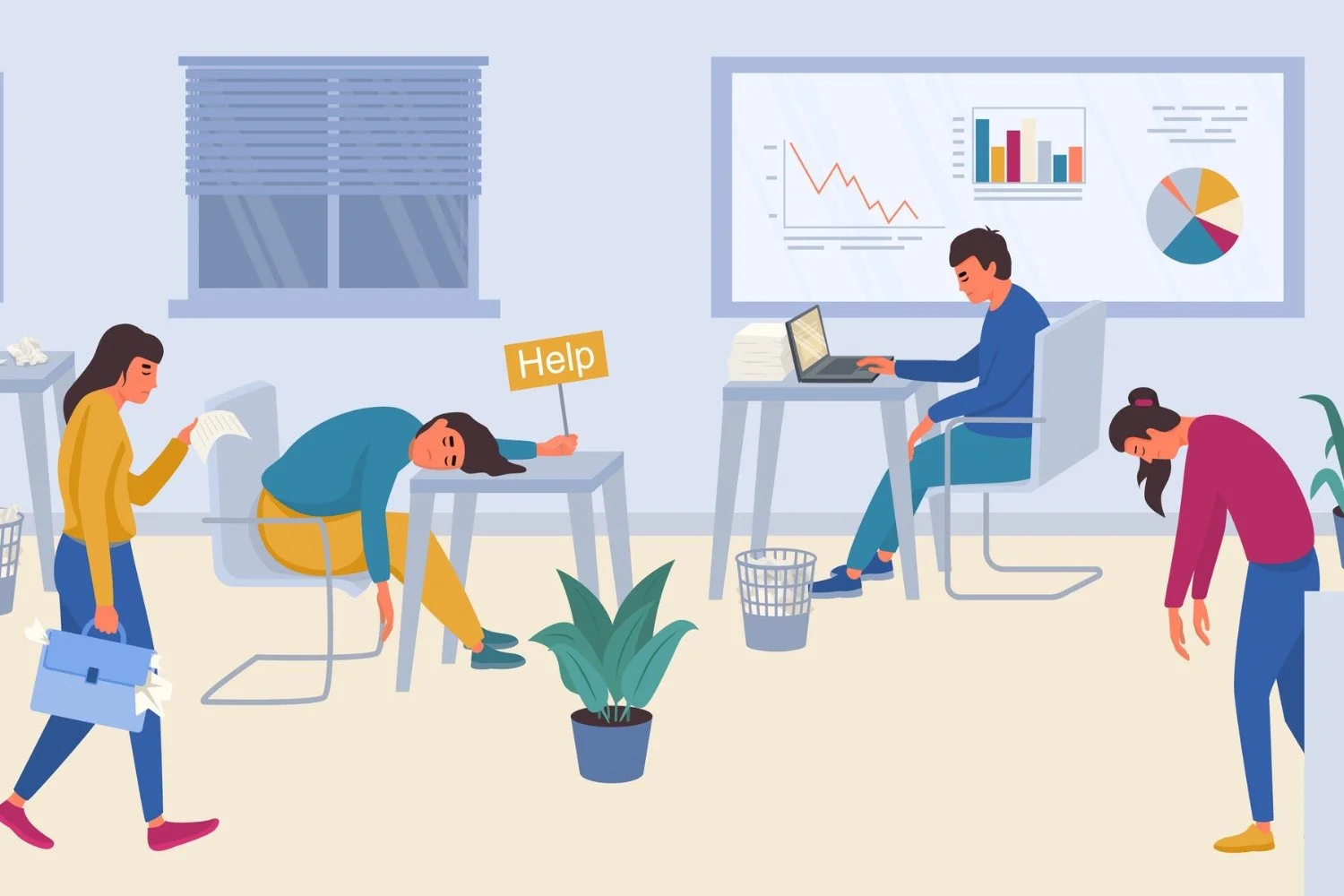
For the UK’s small business community, the "Day One" rights movement is no longer a talking point, it is becoming the law of the land. Under the Employment Rights Act 2024, the landscape of Statutory Sick Pay (SSP) is set for its most significant overhaul in decades.
Set to take effect on 6 April 2026, these reforms are designed to strengthen the UK's social safety net. However, for SMEs already balancing tight margins and a productivity "flatline," the administrative and financial implications are substantial.
At Zyla Accountants, we believe preparation is the best hedge against rising costs. Here is everything you need to know about the upcoming changes and how to protect your bottom line.
What is Changing? The Three Pillars of Reform
The Government is removing the traditional barriers to SSP to ensure that lower-paid and short-term ill workers are not left without a financial lifeline.
Removal of the "Waiting Days": Currently, SSP is only payable from the fourth day of illness. From April 2026, this three-day waiting period will be scrapped. Employees will be entitled to SSP from day one of their absence.
Abolition of the Lower Earnings Limit (LEL): Historically, employees needed to earn at least £123 per week (the current LEL) to qualify for SSP. This limit will be removed, extending eligibility to the UK’s lowest-paid part-time and seasonal workers.
A New Tapered Rate: For those on very low wages, the government will introduce a tapered secondary rate. These workers will receive either the standard SSP rate (currently £116.75, though likely to rise by 2026) or a fixed percentage of their average weekly earnings—likely 80%—whichever is lower.
The Productivity Challenge: A £29bn Problem
These reforms arrive at a time when UK absence rates are at a 15-year high. In 2025, the average employee took 9.4 days of sick leave, a statistic that translates into a £29 billion annual loss for UK SMEs in productivity alone.
According to research by Unum, 37% of HR professionals identify frequent, short-term absences as their primary operational headache. With SSP now kicking in immediately, there is a legitimate concern that the "financial friction" of taking a single day off has been removed, potentially leading to higher absence volumes.
The Expert View: > "Under the new rules, even brief periods of sickness that currently attract no SSP will become payable. For lower-paid staff, SSP could cover a much larger proportion of their usual earnings, meaning the risk of higher absence rates cannot be ignored." — Tracey Burke, WorkNest.
How SMEs Can Prepare
While the 2026 deadline feels distant, the budgetary and policy shifts required are immediate. Here is how Zyla Accountants recommends you prepare:
1. Audit Your Payroll & Budgets
The removal of the LEL means you may suddenly have a significant number of part-time staff eligible for sick pay who weren't before. Review your payroll data now to estimate the potential increase in annual SSP liability.
2. Refresh Your Sickness Policy
Transparency is your best defence. Ensure your staff handbook clearly outlines:
The exact procedure for reporting an absence (e.g., phone call vs. text).
The requirement for self-certification.
How "Day One" pay interacts with any existing company enhanced sick pay schemes.
3. Focus on "Wellbeing as Prevention"
If the cost of sickness is going up, the ROI on keeping staff healthy increases. Consider implementing an Employee Assistance Programme (EAP) or flexible working arrangements. Reducing burnout is now a direct cost-saving strategy.
4. Invest in Digital Tracking
Relying on spreadsheets to track "Day One" absences for a diverse workforce is a recipe for administrative error. Moving to an automated HR and payroll system will ensure your SSP calculations, especially the new 80% tapered rates, remain compliant and accurate.
How Zyla Accountants Can Help
Navigating the Employment Rights Act requires more than just a calculator; it requires a proactive strategy. We can help you forecast these new costs into your 2026 budgets and ensure your payroll systems are ready for the April transition.