
Budget 2026: What's Confirmed, What's Rumoured, and What It Means for How You Pay Yourself
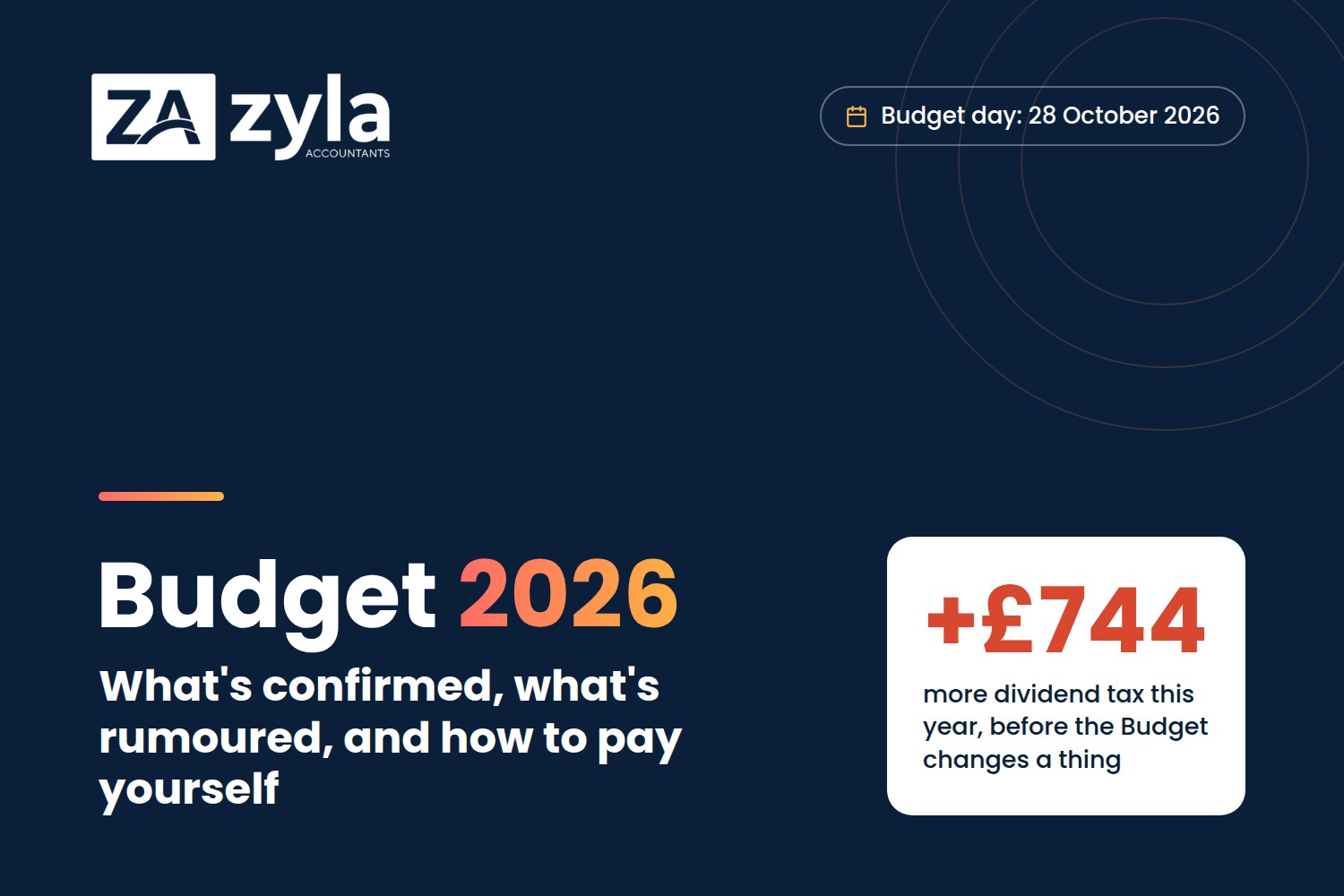
On Wednesday 28 October, John Healey delivers his first Budget as Chancellor. It is also the first fiscal event of Andy Burnham's premiership, so business owners have less to go on than usual.
The government has recommitted to its pledge not to raise the main rates of Income Tax, VAT or employee National Insurance. That narrows the options, and it is why the speculation keeps landing in the same places: dividends, Capital Gains Tax, pensions and Inheritance Tax. For owner-managed businesses, those are exactly the levers you use to pay yourself.
This article from Zyla Accountants separates what is already law from what is only being talked about, shows what the current rules mean in pounds, and sets out what to do now, what to leave alone, and what to plan for before 5 April 2027. We will update it within 48 hours of the Budget.
What's already confirmed
Whatever happens on 28 October, these rules are already in place or legislated. Figures are for England, Wales and Northern Ireland; Scotland sets its own Income Tax bands.
| Measure | Position | Who feels it |
|---|---|---|
| Dividend tax | 10.75% basic, 35.75% higher, 39.35% additional from 6 April 2026 (basic and higher up 2 points). Dividend allowance £500 | Directors paid through dividends |
| Employer National Insurance | 15% on earnings above £5,000 a year | Every employer |
| Employment Allowance | Up to £10,500 off the employer NIC bill. Not available where the only employee paid above £5,000 is a director | Companies with staff |
| Income Tax and NIC thresholds | Frozen until April 2031 | Anyone whose pay rises |
| Corporation Tax | 19% on profits up to £50,000, 25% above £250,000, marginal relief between | Limited companies |
| Capital Gains Tax | 18% and 24%. Business Asset Disposal Relief rate now 18% (from April 2026) | Anyone selling shares or a business |
| Making Tax Digital for Income Tax | Live from April 2026 above £50,000 of qualifying income; extends to above £30,000 from April 2027 | Sole traders and landlords |
| Savings and property income | Tax rates up 2 points from April 2027 | Directors holding cash or property personally |
| Pensions and Inheritance Tax | Unused pension pots fall into Inheritance Tax from 6 April 2027 | Owners using pensions for succession |
| Salary sacrifice | NIC relief capped at the first £2,000 a year of sacrificed pension contributions from April 2029 | Employers running salary sacrifice |
The headline: dividends already cost more this tax year, and employer NIC has been at 15% for 18 months. That combination is why the salary, dividend and pension mix matters more now than it did two years ago.
What's being rumoured
None of the following has been announced. It is what tax advisers and the press are watching.
| Rumour | What it would mean for you |
|---|---|
| Capital Gains Tax moving closer to Income Tax rates | Selling shares, a business or investment property could cost more |
| Business Asset Disposal Relief cut again | Less relief on a business sale, on top of the rise to 18% this April |
| Dividend tax raised again | Another hit to the salary and dividend model directors rely on |
| Salary sacrifice relief tightened further | Pension-based pay and benefits become less efficient for employers |
| The 25% pension tax-free lump sum reviewed | Retirement and exit plans built around tax-free cash may need revisiting |
| Inheritance Tax reliefs on business and agricultural property changed | Reports point both ways: further tightening, or partly reversing the 2024 changes |
| VAT registration threshold raised from £90,000 | Some growing businesses could stay below the threshold for longer |
| Business rates relief widened beyond hospitality | Smaller shops and offices could see lower bills |
Two things are worth knowing about timing. Most Income Tax and dividend changes start on 6 April, which gives you until 5 April 2027 to act. Capital Gains Tax is different: in October 2024 the new rates applied from Budget day itself. If you are part-way through selling a business or shares, talk to us before 28 October, not after.
Salary, dividends and pensions: where the money actually is
You cannot control what the Chancellor announces. You can control how you take money out of your company, and that is where most directors are leaving money on the table. Three examples using this year's confirmed rules.
1. Your dividends already cost more this year
A director takes a £12,570 salary and £37,700 in dividends, filling the basic rate band.
| Tax on dividends | 2025/26 rate (8.75%) | 2026/27 rate (10.75%) |
|---|---|---|
| Dividend tax on £37,200 (after the £500 allowance) | £3,255 | £3,999 |
| Increase for the same income | +£744 |
That is £744 more for exactly the same income, before the Budget changes anything. Higher rate taxpayers see the same 2 point rise on every pound above the basic rate band.
2. The "right" salary is usually £12,570, not £5,000
Since the employer NIC threshold dropped to £5,000 in April 2025, some directors cut their salary to that level to avoid it. For a single-director company with no Employment Allowance and profits in the 19% band, here is what the extra £7,570 of salary does:
| The extra £7,570 | Pay as extra salary | Keep as profit, pay as dividend |
|---|---|---|
| Cost to the company before tax | £8,705.50 including £1,135.50 employer NIC |
£8,705.50 |
| Corporation Tax | £1,654 saved | £1,654 paid |
| Reaches the director | £7,570, tax free | £7,051, tax free |
Salary wins by around £519. At the 25% Corporation Tax rate the gap roughly doubles, and if your company can claim the Employment Allowance, the NIC disappears altogether. A salary at this level also counts towards your State Pension record.
3. Employer pension contributions are the quiet winner
Compare £10,000 of profit in a company paying 25% Corporation Tax, owned by a higher rate taxpayer.
| £10,000 of profit | Employer pension contribution | Dividend |
|---|---|---|
| Corporation Tax | None (deductible) | £2,500 |
| Personal tax | None going in | £2,681 at 35.75% |
| Ends up working for you | £10,000 in your pension | £4,819 in your pocket |
Pension money is taxed when you draw it, usually with 25% tax-free, and contributions must be justifiable as a business expense. But the gap is large. The 2029 salary sacrifice cap applies to sacrificed salary; it does not cap employer contributions paid directly by your company.
These examples assume no other income, England, Wales or Northern Ireland tax rates, and enough distributable reserves to pay dividends. Your numbers will differ, which is the point of reviewing them.
What to do now, what to leave alone
Do now, before 28 October
Know your distributable reserves. You cannot plan dividend timing without up-to-date management accounts.
Check your salary level against the example above. If you dropped to £5,000, it may be costing you.
If you are selling shares or a business, speak to us this week. Capital Gains Tax changes can apply from Budget day.
If you are a sole trader or landlord with income above £30,000, confirm you are ready for Making Tax Digital from April 2027.
Leave alone until the Budget
Don't rush a dividend, a pension withdrawal or an asset sale on the strength of a rumour. Before past Budgets, people sold assets or took tax-free cash early to beat changes that never came, and some of those decisions could not be undone.
Don't restructure your company or pay in a way that only makes sense if one particular rumour comes true.
After 28 October
Most Income Tax and dividend changes take effect from 6 April 2027. That leaves around five months to adjust your salary, dividend and pension mix for whatever is announced. We will update this article within 48 hours of the speech.
Book your post-Budget remuneration review
Once the Budget is out, we will review how you pay yourself against the new rules: salary level, dividend timing, pension contributions and what is left in the company. You will leave with a clear plan for the rest of the tax year, and the numbers behind it.
If you are selling a business or shares, don't wait for the Budget. Get in touch now.
This article is general information based on rules in place on 16 October 2026 for England, Wales and Northern Ireland. It is not advice for your circumstances. Tax rules can change on Budget day.